
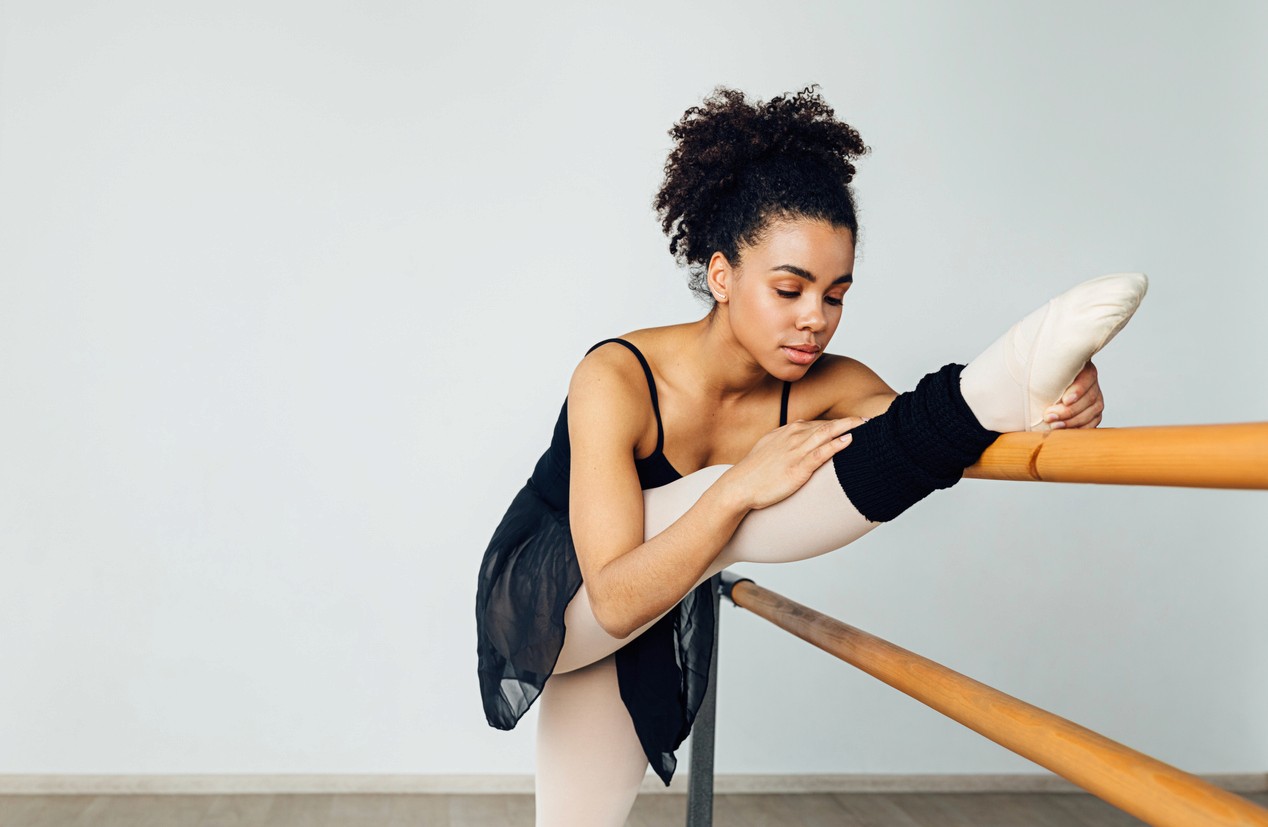
To stretch or not to stretch, that is the question for dance teachers and studio owners.
As you know, ballet demands strength, control, and flexibility. Dancers hold muscles under tension, move through challenging ranges of motion, and place stress on their ligaments and joints. How dancers warm up before class is crucial, not just for performance, but for preventing injury.
Incorrect warm-ups can actually increase the risk of injury, which is the last thing any dance teacher or studio owner wants.
So, should students stretch before ballet? Yes, but the key is how they stretch.
Dynamic vs. Static Stretching: What’s the Difference?
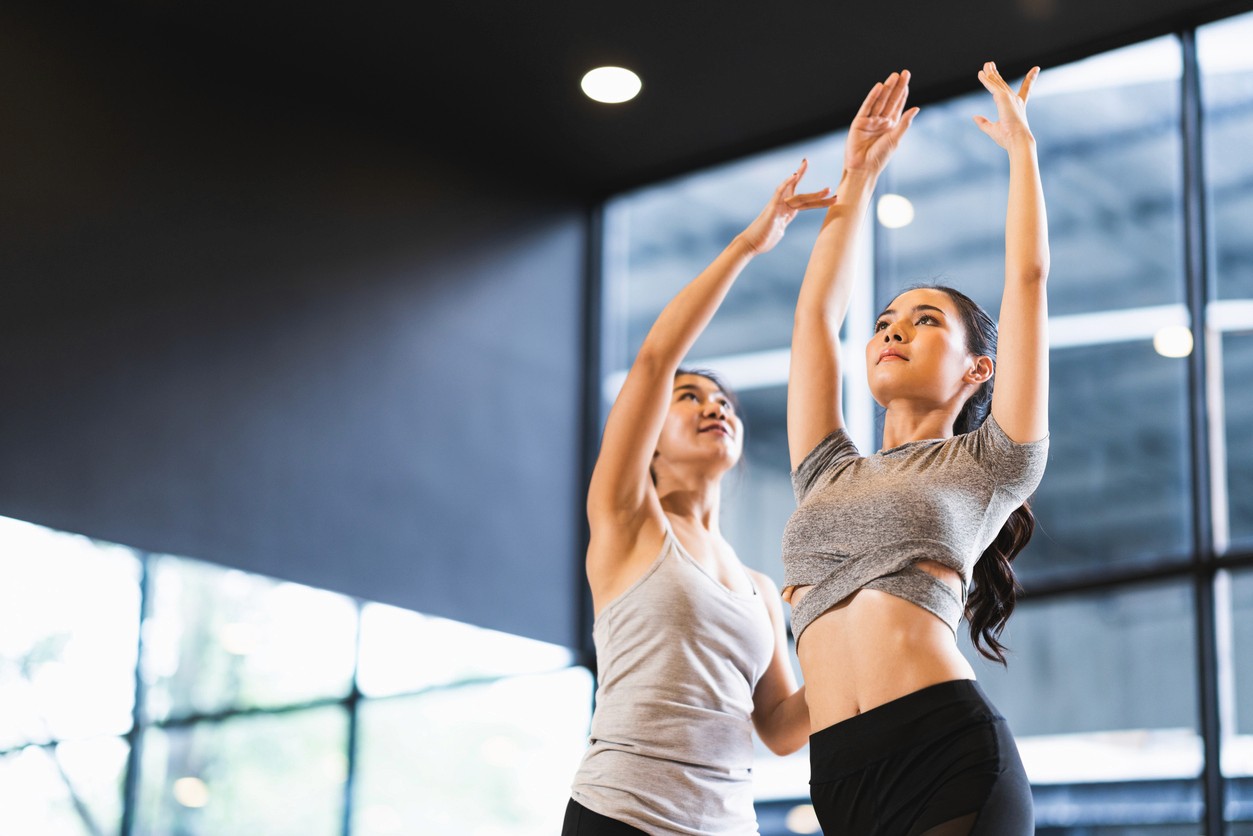
Dynamic stretching is active movement through a controlled range of motion. It warms up muscles, improves circulation, and prepares the body for movement without overstressing it.
Static stretching involves holding a position for an extended period, usually 20–60 seconds. While excellent for improving flexibility after class, static stretches before dancing can reduce muscle power, slow reaction time, and even increase the risk of injury because the muscles are not yet fully warm.
Rule of Thumb:
✅ Dynamic stretching before class
❌ Static stretching after class
Why Dynamic Stretching Before Class Matters
Dynamic stretching warms up muscles and joints gradually without overloading them. This helps dancers:
Activate muscles for movement
Improve coordination and turnout
Increase heart rate and blood flow
Enhance strength, stability, and control
Suggested Dynamic Warm-Up Stretches (Before Class)
Choose several of these dynamic stretches, a warm-up should last around 10 minutes, and focus on every muscle group in the body.
Stretch | How to Perform | Duration |
Diagonal Leg Swings | Swing one leg forward/backward across the body in a diagonal path to engage hip flexors and glutes | 10–12 swings per leg |
Low Lunge with Side Reach | Step into a low lunge, reach the same-side arm overhead and slightly back, then switch sides | 5–6 reps per side |
Carioca / Grapevine Steps | Sideways moving step with cross-behind and cross-in-front foot pattern, emphasizing hip rotation and coordination | 30–60 sec |
Dynamic Side Kicks | Stand tall, lift leg to the side and lower with control, alternating legs | 8–10 reps per leg |
Mini Pliés in Fifth & Third Positions | Small controlled bends and straightens, focusing on turnout engagement | 8–10 reps per position |
Spinal Waves / Cat-Cow Flow | Slowly articulate spine in wave motion, from tailbone to head and back | 6–8 reps |
Standing Hip Openers | Lift knee up and out to the side, lower with control, alternating legs | 8–10 reps per leg |
Shoulder Shrugs & Circles | Lift shoulders toward ears, roll back and down, and add circular motion for mobility | 10 reps each direction |
Heel-to-Toe Rocking | Rock forward onto toes, then back onto heels to activate ankles and calves | 10–12 reps |
Static Stretches to Save for After Class
Once class is complete and muscles are warm, static stretching helps lengthen muscles, improve flexibility, and aid recovery. Hold each stretch 20–45 seconds, repeating 2–3 times per side.
Stretch | How to Perform | Duration |
Seated Forward Fold | Sit with legs extended, reach toward toes | 20–30 sec |
Butterfly Stretch | Soles of feet together, gently press knees toward the floor | 20–30 sec |
Lunge Hip Flexor Stretch | Step one foot forward, press hips down | 20–30 sec per side |
Standing Quadriceps Stretch | Pull heel toward glutes while standing | 20–30 sec per side |
Straddle Stretch | Legs wide apart, reach toward each foot and center | 20–30 sec |
Shoulder & Tricep Stretch | Pull one arm across the chest or overhead | 20–30 sec each |
Seated Spinal Twist | Twist your torso gently to each side | 20–30 sec per side |
Running A Dance Studio Is More Than Just Planning Stretches
Knowing the right stretches and warm-ups for your students is essential, but running a successful dance studio involves so much more: scheduling classes, tracking attendance, and keeping tabs on each student’s progress.
That’s where Class Manager dance studio software comes in. It helps you organize your studio, manage your classes, and monitor your dancers’ development, all in one easy-to-use platform, so you can focus on teaching.
Want to find out more about how Class Manager can help your dance studio? Book a demo with our team, or create your free account here.
For more information, or warm-up tips and tricks in our latest blog posts:

