

With the US Dance Competition season kicking off soon, dance studios—are you ready? From creating choreography to auditions and the endless hours of rehearsal, it’s a whirlwind of preparation.
But here’s the big question: are you focusing on the elements of your routine that actually help you stand out to the judges?
Melanie Durham, a dance industry veteran who has been judging competitions for over 15 years and has been part of the industry for more than 30 years, hosted a Webinar where she shared her insider perspective on what judges really look for.
So, what exactly do judges look for when they score your routine? Melanie broke it down into three key areas that can make or break your performance. See a breakdown of her advice below…
Area 1: Technique
We all know there’s a huge difference between performing in a safe studio environment and performing on stage in front of an audience and a panel of judges.
That’s why the studio is the perfect place to push your dancers out of their comfort zone, but when it comes to the stage, judges want to see movements executed well and, most importantly, consistently.
There’s nothing more disheartening than seeing a dancer misstep on a move that we know they can hit perfectly in the studio. Stage pressure can lead to mistakes, and even small fumbles can impact a score.
Top tip: Showcase your dancers’ strengths. If that means swapping a complex move for one your dancers can execute perfectly every time—do it. Judges would rather see a clean, confident performance than a risky move that isn’t executed perfectly.
What judges are looking for:
Precision and Accuracy – Every movement from every dancer matters. Judges look for perfect steps from everyone.
Timing and Rhythm – Dancers must stay perfectly in sync with the music.
Footwork – Technique is all about the clarity of steps and smooth transitions.
Remember, you don’t have much time on stage, and mistakes can make the difference between a gold medal and going home empty-handed. Focus on executing what your dancers do best, consistently.
Bonus:
Doing a big leap? Make part of the preparation and the landing part of the dance, so the leap or acro is a surprise for all who are watching.
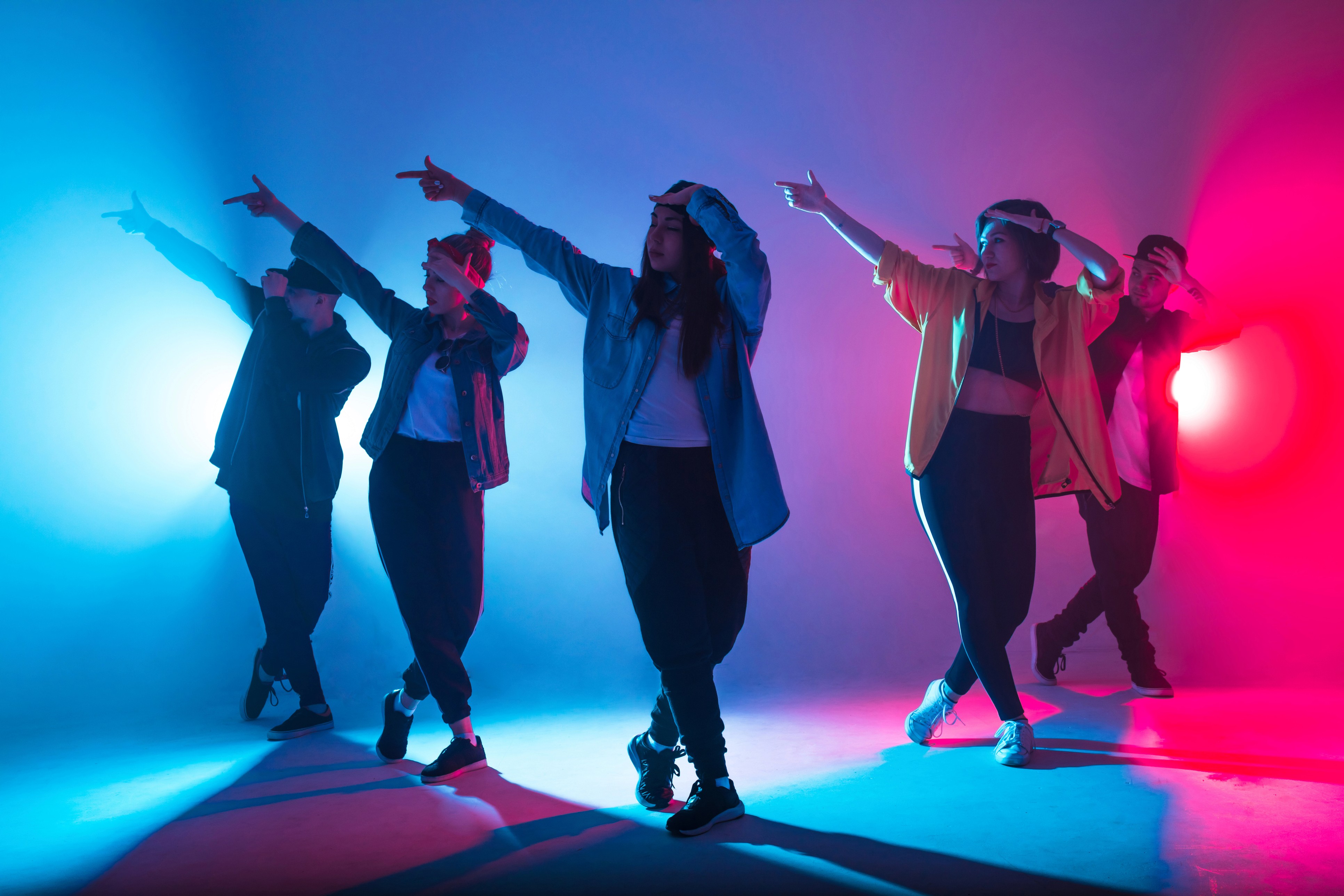
Area 2: Performance
The second area judges focus on is performance. Let’s face it, you’re entering a competition because you love to perform, so make sure you show it!
From the moment you step onto the stage, yes, even from the wings—until the moment you step off, perform. Ensure there is passion in every movement—whatever your piece demands, give it fully.
Judges aren’t just evaluating the choreography; we’re looking at the energy and projection, the storytelling, and whether the emotions brought to the stage match the story being told.
Top tip: Within the first few seconds of the dance, judges are looking to make a connection with the performance. Whether it’s a solo dancer or a full company production, the energy needs to reach the audience, and eye contact plays a huge role in building that connection.
What judges are looking for:
Emotion and Storytelling – Conveying emotions and telling a story through movement.
Musicality – Interpreting and embodying the music, not just moving on the beat.
Connection – Engaging the audience and creating a sense of presence on stage.
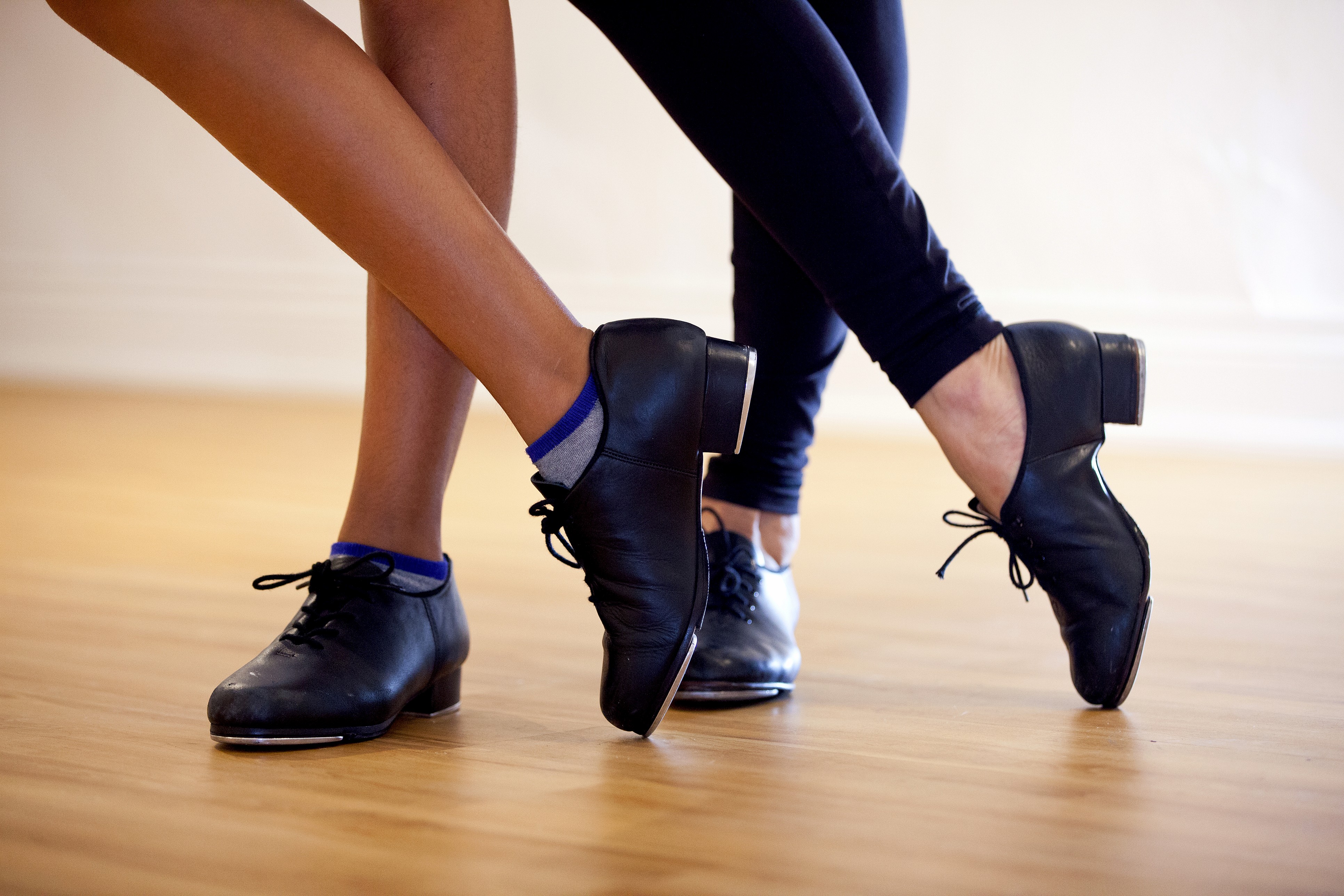
Area 3: Presentation
The third area judges evaluate is presentation—because when you’re on stage, there’s nowhere to hide. Judges are watching everything (and we mean everything) from the moment your dancers step into the spotlight to the moment they walk off.
Your entrance and exit are part of the performance. Just because the music stops doesn’t mean the judging does. A clean, confident entrance sets the tone, and a polished exit leaves a lasting impression.
Every detail matters. Costumes, makeup, and accessories should all be age-appropriate, cohesive, and uniform. Something as small as one dancer wearing different shoes can distract from the entire piece. These inconsistencies can take away from an otherwise strong performance.
Props and placement also fall under presentation. Don’t assume messy footwork or less confident dancers can be hidden in the back or behind props—judges are trained to see everything happening on that stage.
What judges are looking for:
Overall Appearance – Every element contributes to the visual impact. A clean entry is powerful; a sloppy shuffle is noticeable.
Stage Presence – Charisma, posture, and the ability to connect with the audience throughout the performance.
Attention to Detail – Precision in group dynamics, from identical stylized hands in a jazz number to a perfectly timed group exhale in contemporary work. These details elevate a routine from good to great and show mastery of performance unity.
Final Thoughts
While there aren’t exactly secrets to the dance competition world, keeping these insights in mind as you choreograph and rehearse your routines can make all the difference.
Remember, judges aren’t there to intimidate—they’re there to celebrate your love of dance. They want to see you have fun, showcase your skills, and bring your passion to life on the big stage.
For more information, or to learn additional ways to impress the judges at your next competition, watch the full webinar with Melanie Durham here. Book a demo with our team, or create your free account here.
Or for more blog posts, see here:

