
Martial Arts Warm Ups: Simple Drills, Games, and Routines to Get Fighters Ready
•
6 min read
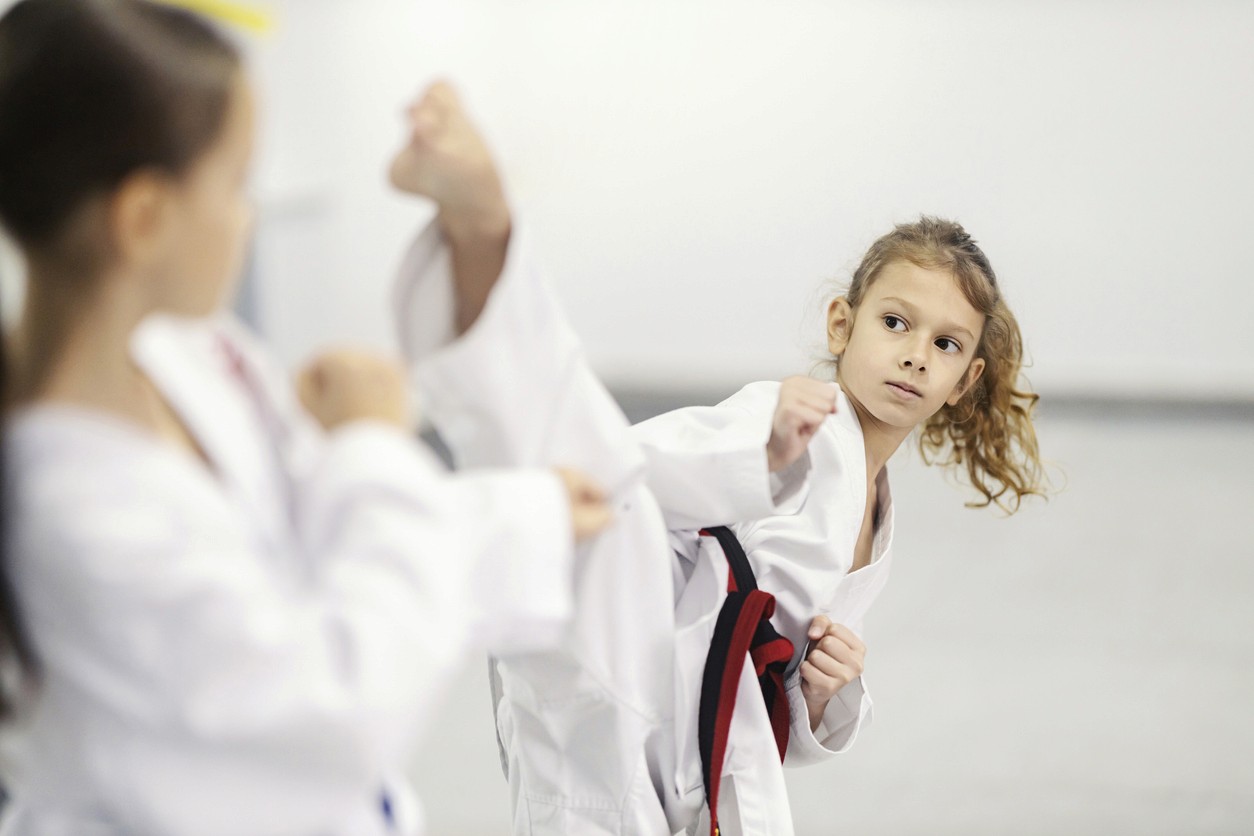
Getting your body ready for martial arts combat isn’t just a good idea; it’s essential. Whether you’re stepping onto the mats for karate, taekwondo, Brazilian jiu-jitsu, judo, Muay Thai, boxing, or MMA, a proper warm-up can mean the difference between peak athletic performance and a pulled hamstring that sidelines you for weeks.
Why Warming Up Matters Before Martial Arts Combat
The warm-up phase is crucial for mentally preparing martial artists and reducing injury risk. When you start training with cold muscles, you’re asking your body to perform explosive kicks, takedowns, and grappling without proper preparation.
Warm-up exercises raise your heart rate, loosen joints, and increase blood flow to muscles. This process triggers the release of synovial fluid to lubricate joints, while warming up enhances speed and strength by increasing muscle temperature, which allows muscles to contract forcefully and relax quickly.
Static stretching vs dynamic warm-up: Long static holds work better after training, while a dynamic stretching routine is more effective before combat. In a 60-minute martial arts class, dedicate 5–10 minutes to warm up, 45 minutes to technical work, and 5–10 minutes to cool down.
Warm-Up Principles for Martial Arts Instructors
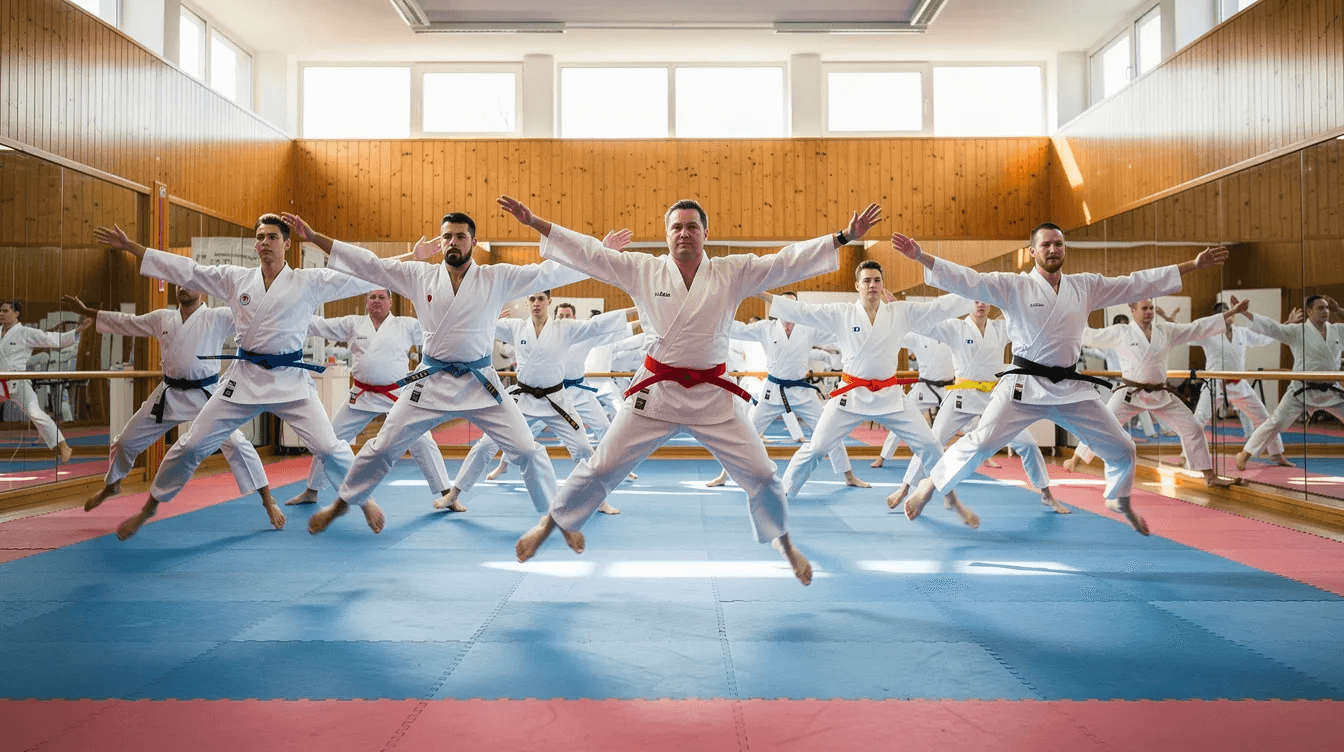
Effective warm-up routines for martial arts involve a progression from low-impact movement to sport-specific drills, ensuring muscles are pliable and joints are lubricated. A comprehensive warm-up routine is often divided into four distinct phases:
Light cardio (jumping jacks, jogging)
Joint mobility (hip circles, arm circles)
Dynamic stretching (leg swings, lunges)
Sport-specific drills (light kicks, shadow boxing)
A proper warm-up routine should last between 5 and 10 minutes and gradually increase in intensity—especially in cold weather to accommodate stiff joints.
Age Group | Focus | Intensity |
|---|---|---|
5–10 years | Games, low-impact | Light |
Teens | Moderate drills | Medium |
Adults 40+ | Joint-friendly options | Moderate |
General Martial Arts Warm-Up Routine (5–10 Minutes)
Warm-up exercises for martial arts should include cardiovascular activation, dynamic stretching, and sport-specific movements. Here’s a plug-and-play routine:
Marching on the spot (30 seconds) – Raises body temperature, activates the cardiovascular system
Jumping jacks (30 seconds) – Targets entire body, elevates heart rate; feet shoulder width apart on landing
High knees (30 seconds) – Warms larger muscles in legs, improves coordination
Bodyweight squats (20 reps) – Targets quads, glutes, hamstrings; wider stance for grappling arts
Push-ups (10–15 reps) – Activates chest, shoulders, triceps, core
Arm circles (20 each direction) – Loosens shoulders, upper back; progress from small to full range of motion
Hip circles (10 each direction) – Hip circles increase mobility in hip joints, which is essential for generating power
Common warm-up exercises for martial arts include bodyweight squats, high knees, and lunges, which help activate larger muscle groups.
Martial Arts-Specific Warm-Up Drills
Striking drills:
Slow front kicks (2 sets × 10 per lead leg) – Ages 8+; targets hip flexors, hamstrings
Light shadow boxing with footwork (2 minutes) – Full body activation
Controlled leg swings front-to-back (15 per leg) – Prepares for high kicks
Grappling drills:
Shrimping across the mat (2 lengths) – Core, hips; essential for BJJ ground movements
Hip bridges (15 reps) – Glutes, lower back; proper technique prevents injury
Bear crawls (30 seconds) – Shoulders, core, coordination
Dynamic Stretching Routine to Increase Flexibility
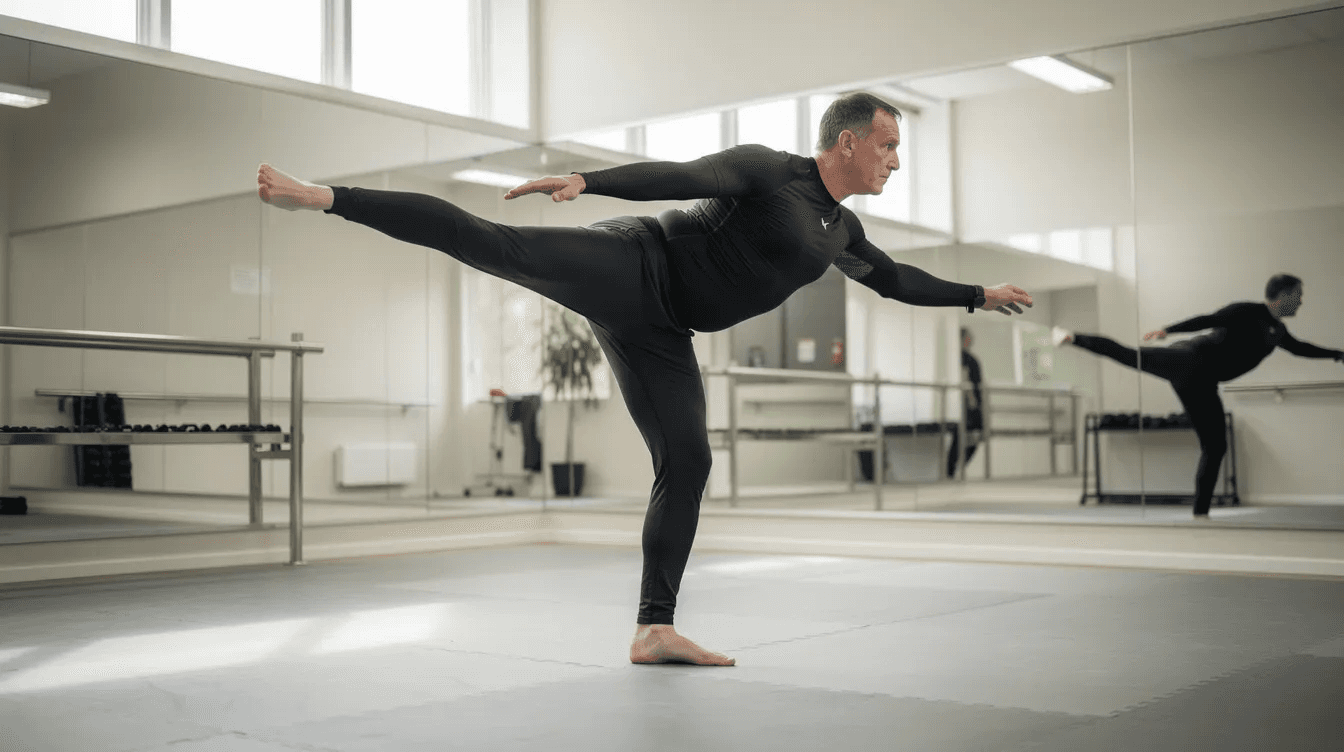
Dynamic stretching involves continuous movement through a range of motion, which is more effective for preparing the body compared to static stretching. Engaging in dynamic stretching before martial arts training helps improve flexibility, increase blood flow to the muscles, and enhance overall performance.
Exercise | Muscle Groups | Reps |
|---|---|---|
Leg swings (front/side) | Hamstrings, hip flexors | 15 per side |
Walking lunges with twist | Quads, glutes, core | 10 per leg |
Arm swings across the chest | Shoulders, chest | 20 reps |
Hamstring stretch (dynamic toe touches) | Hamstrings, calves, lower back | 10 reps |
Torso rotations | Core, obliques | 15 per side |
Regular warm-ups increase flexibility in both the short- and long-term by improving blood flow to muscles. Dynamic warm-ups are recommended for about 5 to 10 minutes before martial arts training.
Fun Warm-Up Games by Age Group
Ages 5–7:
“Sensei Says” – Martial arts movements on command; warms the entire body
“Belt Tail Tag” – Agility, leg muscles; 3 minutes max
Animal walks relay (bear crawls, frog jumps) – Shoulders, core, legs
Ages 8–12:
Shadow sparring mirror – Full body coordination
Pad reaction game – Speed, focus, upper body
Line sprint & sprawl races – Cardiovascular system, muscle groups
Teens & Adults:
Light touch spar (shoulder/hip targets) – Footwork, reaction time
Takedown entry tag – Hip engagement, timing
Skipping rope circuits – Heart rate elevation, calf activation
Sample Complete Warm-Up Routines
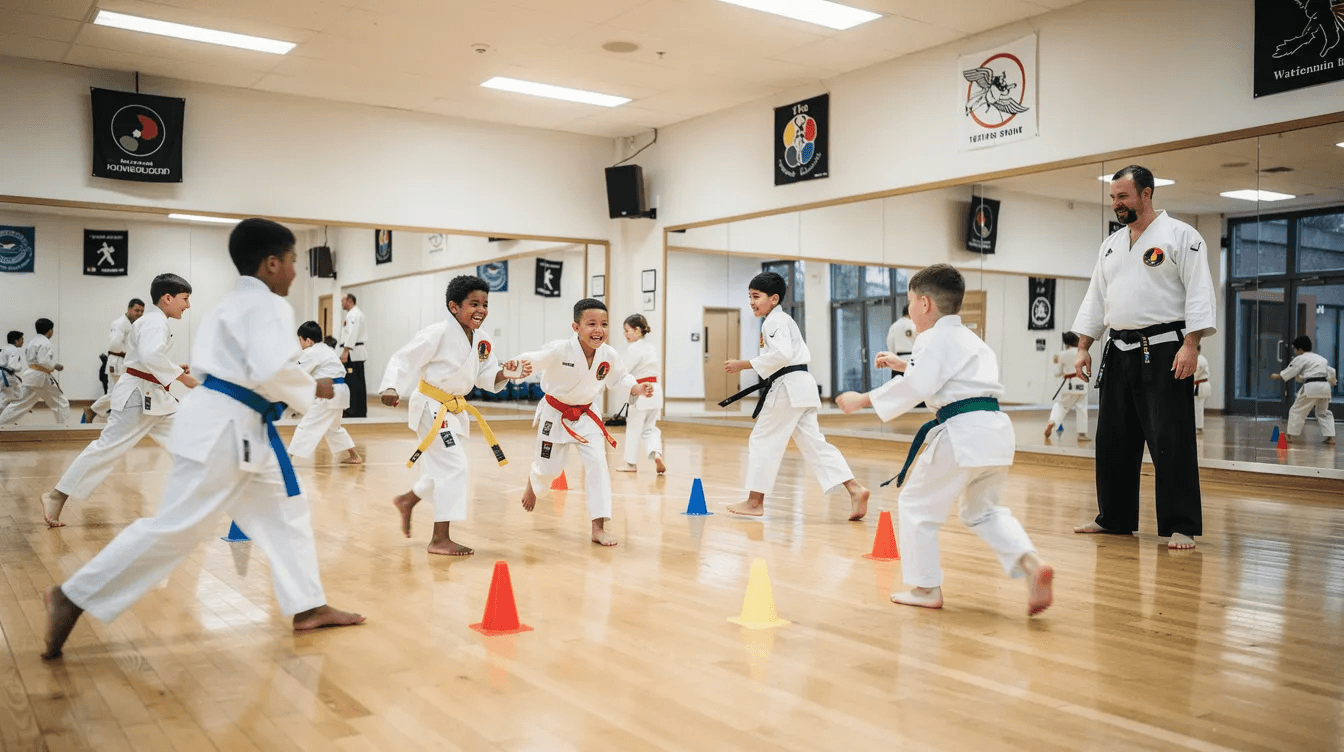
Kids Karate (Ages 7–11) – 10 minutes:
Light jogging (2 min) → Sensei Says game (3 min) → Bodyweight squats, easy push-ups, arm circles (3 min) → Leg swings, hip circles (2 min)
Adult Kickboxing/Muay Thai – 10 minutes:
Skipping rope or shadow boxing (3 min) → Push-ups, plank, lunges (3 min) → Dynamic leg swings (2 min) → Light pad work at belly height (2 min)
Grappling/BJJ – 10 minutes:
Light jogging with shoulder rolls (2 min) → Shrimping, bridges, technical stand-ups (3 min) → Hip circles, arm circles, torso rotations (3 min) → Partner grip fighting (2 min)
Preventing Injury and Supporting Long-Term Progress
Warm-ups can reduce post-workout soreness by increasing circulation and reducing the buildup of lactic acid. They also improve endurance by increasing the temperature of the blood as it travels through muscles, making oxygen more readily available.
Post-training matters too: Cool downs are often overlooked but play an important role in recovery. Engaging in light activities such as jumping rope and shadow boxing can be effective ways to cool down. Active stretching using your own muscles for resistance is best performed after workouts, while passive stretching, where muscles are relaxed while being stretched by external forces, helps relieve stress. Stretching after workouts raises muscle temperature, increasing blood flow and oxygen supply, which aids recovery.
How Class Manager Helps Martial Arts Studios Standardize Warm Ups
Running martial arts classes is busy enough without scrambling to remember which warm-up routine works for each class. With Class Manager, you can build standard routines into class templates, attach recommended drills to different age groups, and share updates instantly with your teaching team.
Ready to standardize your martial arts warm-ups and keep every class running safely? Book a demo with our team, or create your free account here. Or learn more from our blog post: 'Best Martial Arts Management Software: Run Your Dojo Without Drowning in Admin'.

