
Small Classes vs Large Dance Classes: Which Dance Studio Size Is Better For Your Studio?
•
4 min read
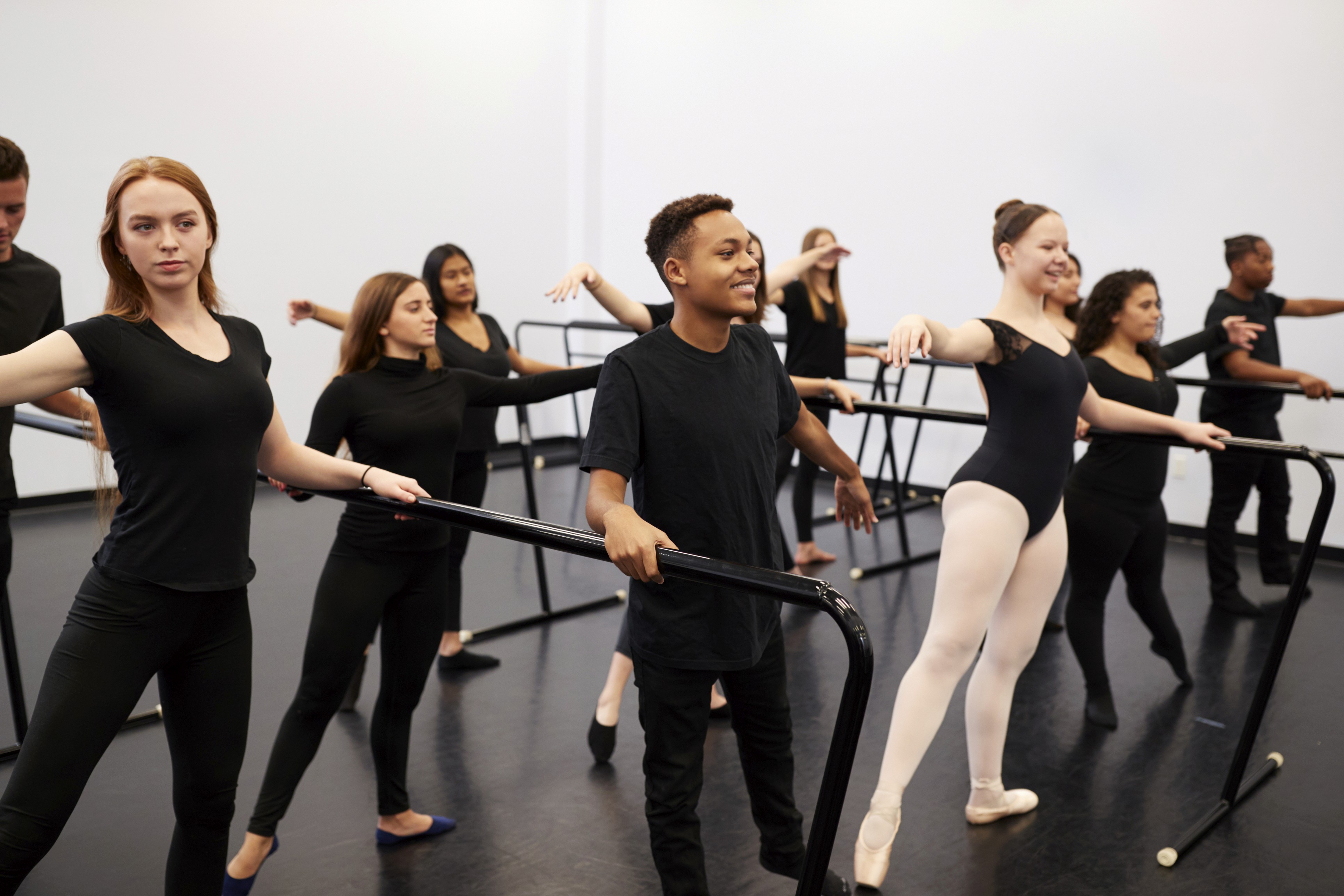
When it comes to running a dance studio, there is no right or wrong class size. Small and large classes both have their place, and the best option depends on what you want to offer your students and how you want your studio to grow.
Let’s break down the benefits and challenges of both.
Small Dance Studio Classes
Smaller classes are especially effective for structured dance styles such as ballet, lyrical, and tap, because different styles need different amounts of room and the dance space should match the class layout. Ballet in particular needs space for barre work, extensions, and center-floor combinations, which is one reason smaller groups can work well for focused instruction. They allow students to focus on technique and develop strong foundations while helping the studio accommodate the expected class size for safe movement and good instruction.
Benefits of Small Classes
Small classes can feel less intimidating, particularly for beginners or children who are less confident. These classes are also particularly good for supporting autistic students who may struggle with overstimulating classes.
Students benefit from more one-to-one attention, allowing instructors to tailor corrections and feedback to individual needs
A higher perceived quality of teaching due to personalised guidance
Stronger relationships are often formed between students and teachers, as there are fewer people to get to know
From a studio perspective, small classes can be positioned as premium offerings, especially for advance training or exam-focused classes
We do cover this in more detail in our latest blog post, ‘How to make the most of under-filled classes at your dance studio'.

Cons of Small Classes
With fewer students, there may be less friendly competition, which can sometimes help students push themselves further
Lower student numbers can mean reduced revenue unless classes are priced accordingly
Room hire, teacher wages, and other costs remain the same regardless of class size
For group choreography or improvisation, fewer students can mean fewer ideas to work with
There are valid arguments for both a large studio for higher-capacity classes and a smaller room for more focused instruction

Larger Dance Classes: How Much Space Do You Need?
Larger classes are common in commercial styles, recreational classes, and popular age groups where demand is high, and high-energy formats often need more room because expansive movement in a packed class raises collision risk. In some cases, a large studio can be split into smaller teaching areas with acoustic partitions, which gives studio owners more flexibility while helping manage sound.
Benefits of Larger Classes: Space Per Student Considerations
Higher revenue per class due to increased student numbers
Revenue gains still depend on how much space you have on the floor, since industry guidelines suggest allowing 20–25 sq ft of usable square footage per dancer, or around 4 to 5 m² in practice; for example, a medium studio for 10–20 students is often around 1,200–1,500 sq feet.
More opportunities for students to build friendships and learn from one another
Exposure to a wider range of abilities, styles, and personalities
Energy levels are often higher, which can be motivating and fun for students
Cons of Larger Classes
Teachers have less time to give individual feedback to each student
Some students may feel overlooked or less confident in a bigger group
Awkward room shape can make movement harder to teach effectively, even when the square footage seems adequate for the class
Support pillars, posts, or columns in the interior can reduce usable studio space, create blind spots, and affect safety in a busy class
In a larger building, poor sound control can make instruction less clear, so bigger rooms may need acoustic treatment
Progress can be harder to track for individual dancers
That said, larger classes can naturally lead to private lessons or smaller group training, which many studios offer as a premium option. (We cover private lessons in more detail here: ‘Private Dance Lessons Vs Group Lessons: What's Better')
So Which Should You Offer?
The answer depends on your studio goals. You should also take non-teaching areas into account, including reception, a place for parents to wait, changing rooms, storage, and even an office.
If your focus is technical development, exams, or elite training, smaller classes may be the best fit. If your priority is accessibility, community, and growth, larger classes can work really well.
Many successful studios offer a mix of both, using different class sizes for different age groups, levels, and dance styles, taking these factors into account.
How Can Class Manager Help?
Managing different class sizes, pricing structures, student numbers, and budget can quickly become complicated when you run a dance studio business, so a clear business plan helps. Class Manager makes it easy to:
Class schedules and attendance across small and large
Manage waitlists for popular sessions
Set different pricing for premium and standard classes
Monitor class capacity, so you can serve more students without overfilling a room
Keep student and parents communication organised in one place
Whether you run intimate technique classes or high-energy group sessions, having the right dance studio software in place helps create smoother operations so your studio runs smoothly and grows sustainably.
We hope this helps you compare your options with confidence.
Want to find out more about how Class Manager can help you manage your classes, no matter the size?Book a demo with our team, or create your free account here.

