
Dance Studio Class Structure: Should Your Dance Studio Offer Adult Classes?
•
4 min read
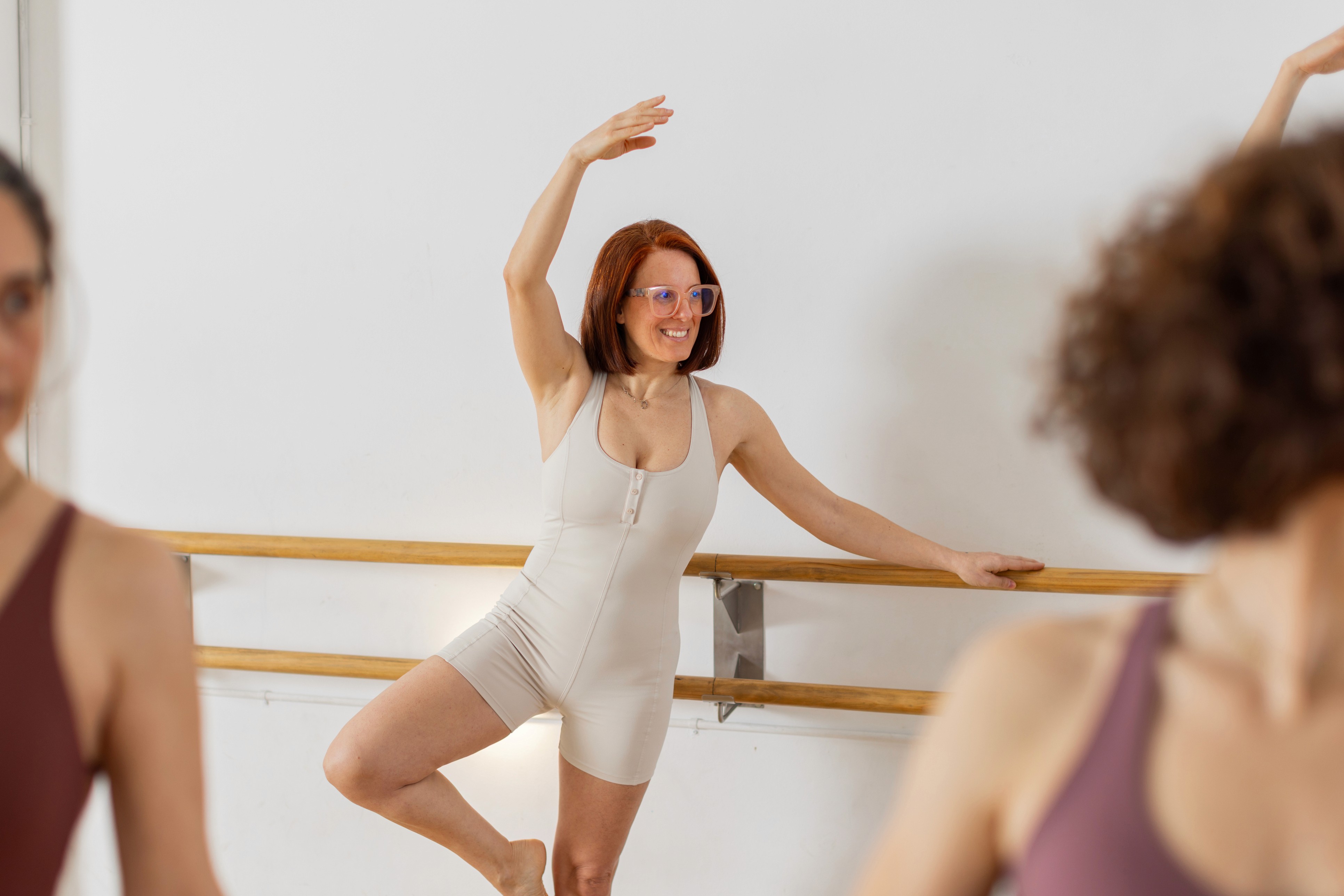
Dance is a powerful expression of emotion and creativity through movement. While it’s a popular activity for children—and often one of the first extracurriculars parents choose—it’s also an excellent form of exercise and self-expression for adults. And not just for seasoned dancers or those returning after years away, but also for complete beginners looking to try something new.
Offering adult dance classes in a variety of genres is a fantastic way to increase your studio’s revenue, boost community engagement, and attract a new audience of enthusiastic learners.
In this blog post, we’ll explore the benefits of adding adult classes to your weekly schedule, how to structure and promote them, how many to offer, and what styles might resonate most with your adult clientele.
Benefits Of Offering Adult Dance Classes At Your Studio
Adding adult dance classes to your studio’s schedule doesn’t just benefit your business—it offers a range of rewards for your adult students as well. Here’s how:
Benefits for Your Studio
Increased Revenue: More classes mean more income potential, especially when tapping into a new demographic.
Expanded Programming: Adult classes open up opportunities to add more performances, workshops, and even adult divisions in shows or competitions, including performance opportunities that serve different participants based on their goals and ability.
Organic Word-of-Mouth Marketing: Adult students often have children or friends with children, making them potential advocates for your studio. Their positive experiences can lead to new enrollments across all age groups—a true win-win.
Benefits for Your Adult Students: Warm Up Included
Improved Mental & Physical Health: Dance boosts cardiovascular fitness, strength, flexibility, and mental well-being by reducing stress and improving mood, while also building technique, balance, and core skills in ways that support injury prevention.
A Chance to Learn or Reconnect: Whether they're trying something new or returning to a former passion, adult classes help students grow, challenge themselves, and explore different dance styles or a new genre at their own level.
Builds Social Connections: Classes provide a welcoming space to meet new people, create friendships, and foster a sense of community.
Boosts Confidence: Learning a new combination and feeling ready to perform, especially if the studio offers informal sharing opportunities, can greatly increase self-esteem and body confidence over time.
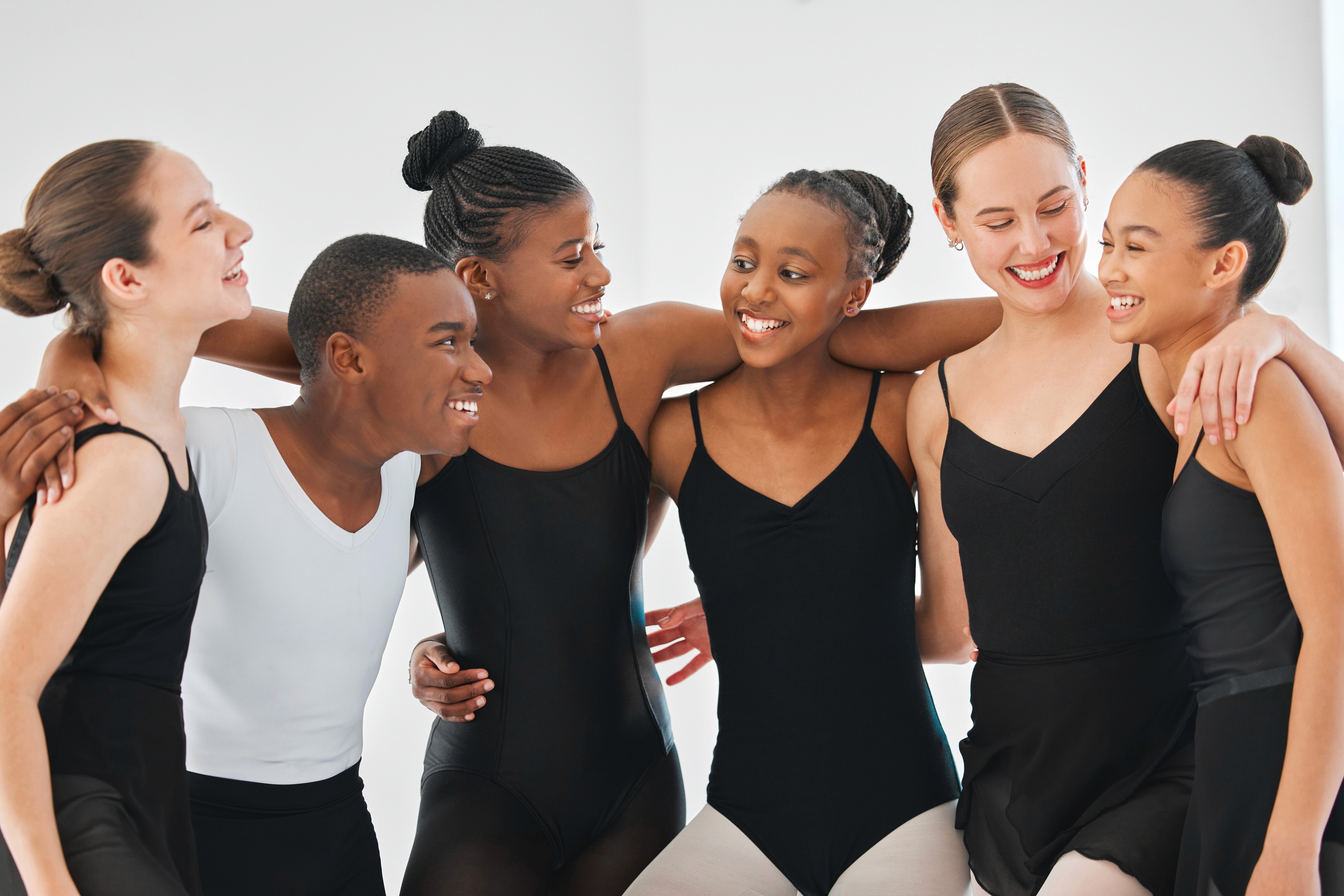
How To Add Adult Classes and Dance Class Structure To Your Dance Studio Class Schedule?
So, you've decided to take the plunge and start offering adult dance classes—amazing!
Before launching your first class, it's important to build interest and make sure there's a market for it. One of the best places to start is by reaching out to your existing clientele, especially the parents of your current students. Good planning should consider the class context, the group’s motivation, and the purpose of the session.
Many of them may have considered trying a class themselves or are looking for a fun and social way to stay active, so your dance class structure should match what this group wants from training and enjoyment. And if they haven't, they're bound to know someone who does.
Gauge Interest First
Start by putting out some feelers:
Ask parents if they'd be interested in an adult class.
Survey your mailing list or use social media polls to ask what styles people are most excited about, what kind of music they enjoy, and what they’d like to try (e.g., hip hop, ballet, jazz).
Find out what days and times would work best for them—this helps you set up classes that are more likely to fill up and shape your week-to-week schedule.
Start Small and Simple with Dance Styles
We recommend starting with just one or two evening classes as a good example of a manageable starting point. As interest grows, you can expand your schedule and offerings. As you grow, your class progression can move from a warm up to skill-building, across-the-floor work or transitions, and a cool-down with brief rest where needed.

Promote Your New Classes
Once your first class is on the schedule, it's time to spread the word! Promotion works best when you clearly state the style, level, and key benefits of each session. Use:
Social media (especially Facebook and Instagram)
Your website and email list (you can email easily through Class Manager's communication features)
Local newspapers or community bulletin boards
A referral program (e.g., “Bring a friend and get your next class free!”) (learn more in our blog post: ‘How to build a referral scheme for your dance studio')
Top Tip: Consider offering a daytime class specifically for young mums, one where they can bring their babies along!
Many gyms and studios are now introducing mum-and-baby classes, where mothers can take part in a dance or fitness session while their babies stay in the same room with them, either in prams, on mats, whatever works better for mum and baby. This kind of option can help prepare newcomers gently, with movement that builds core awareness and supports major muscles without feeling overwhelming.
Are Adult Classes Something For Your Dance Studio?
Are you tempted to start offering adult dance classes at your studio? Not only is it a fantastic way to build community, bring dance to life for new audiences, and create inspiration within your studio community, but you can also charge more for adult classes than you typically would for baby or children's classes across different dance styles, depending on the training format offered, making them a smart business move, too.
Whatever direction you choose, Class Manager's studio management software can help you every step of the way. Easily set up your adult classes and schedules by group, support beginners and professional dancers alike, and organize sessions by stage of learning or session type, then share sign-up links through your online portal and take automated payments, so all you need to focus on is filling your classes and doing what you love—teaching dance.
Interested in seeing how Class Manager can help you? Book a demo with our team, or create your free account here.
Other blog posts that may be of interest to you include:

