

“Am I charging the right rates for my dance classes?”
“Are my dance lessons too expensive or too cheap?”
“What should I be charging for my dance classes?”
These are all questions that run through the minds of every dance studio owner. So, if you’re worrying about your dance studio’s prices, you’re not alone.
It can be difficult to know if you’re charging the right amount for your lessons and if they’re fair. Don’t worry. We are here to help. This post will help you determine if you’re charging the right price for your dance studio lessons.
How Much Does The Average Dance Class Cost?
The average price for dance lessons will differ depending on your geolocation and by month, so prices can range widely.
UK | Australia | The USA | |
|---|---|---|---|
Group Dance Lessons | £7 Per Lesson | $18 Per Lesson | $56 Per Lesson |
Children's dance lessons are often priced lower because classes for younger kids are usually shorter.
Interested in seeing a full breakdown of the different ways regions price their classes? See our State of the Dance Nation Survey Results, in which we asked over 800 dance studios across the UK, USA, and Australia how they run (and price) their studios.
How To Calculate What To Charge For Your Private Dance Lessons?
When deciding how much to charge for your dance lessons, several factors should be considered.
What Dance Styles Do You Teach?
The type of dance you teach will naturally impact how much you should charge for your lessons.
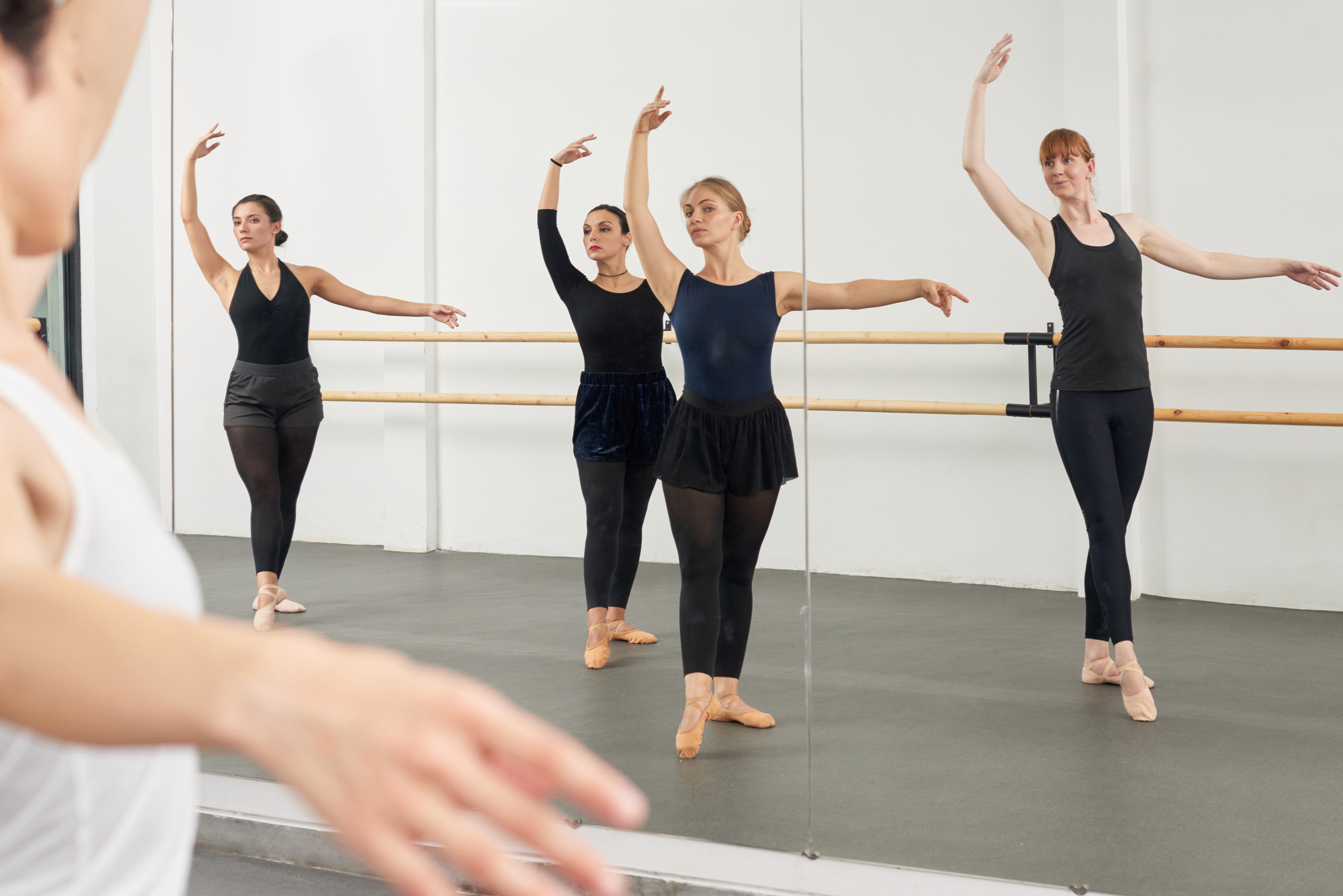
For example, your class style can affect pricing, especially when it requires specialized training, certifications, or qualifications, such as ballet, or specific shoes or equipment. These requirements can also create additional expenses beyond regular tuition, which may influence the overall pricing of your classes and your take-home earnings.
What Ages Do You Teach?
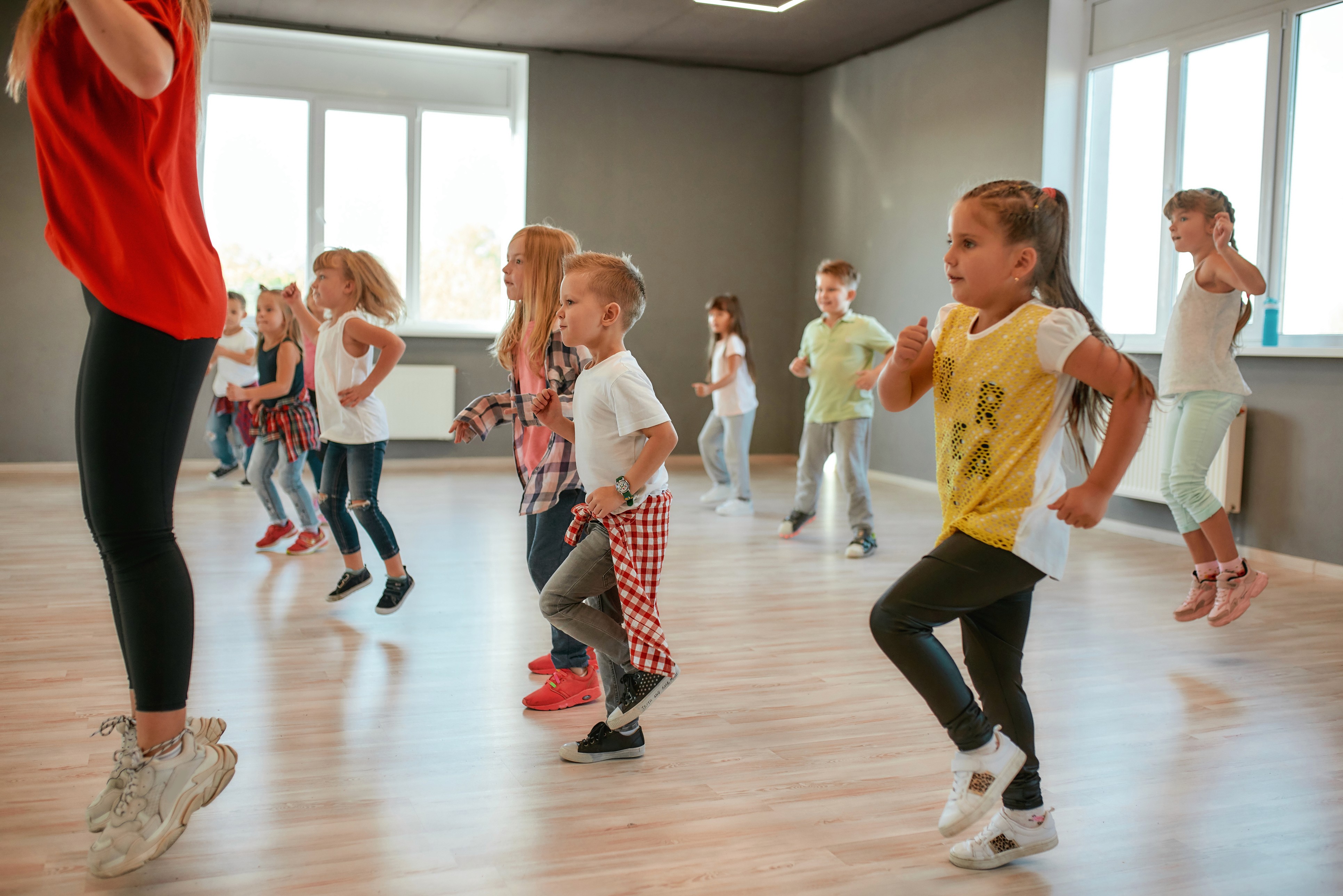
The age group of your students will also affect your pricing structure, and classes are often divided by age because younger children may learn at a different pace than teens or adults. Younger children, such as toddlers, may not be charged as much as teenage or adult students.
Age-appropriate classes can also support coordination, confidence, and steady progress.
Our survey found that while 90% of dance studios taught students aged 6 to 18, only 69% offered classes for adults over 18.

How You Charge Your Students (By Lesson, By Class, Monthly, Termly…)?
Another important pricing factor is how you structure your charges, especially if you want a clear pricing model that supports budgeting.
Do you charge per lesson? Per hour? Per week, per month, or by packages? The pricing model you choose will influence your overall rates.
According to our survey (we know, we keep banging on about it, but it's such a valuable resource), 54.4% of dance studios charge per class, while 26.8% charge per hour.
The remaining 18.7% use a mix of termly, monthly, session-based, annual, or membership-based fees. Determining which pricing model works best for you is essential. Once you've decided on that, other prices can fall into place, and some annual fees are split into predictable monthly payments to make planning easier over the year.

Other Factors and Additional Costs To Consider
Like any business, there are always more things to take into account than you might expect. Additional factors to consider include:
Your overhead costs, such as studio rent, bills, insurance, utilities, supplies, payroll, and any software you use (cough, Class Manager class management software).
The level of the class, whether beginner, intermediate, or advanced.
The type of class, such as hip-hop, ballet, jazz, or other styles.
The length of the class, as longer sessions may require higher fees.
The number of students in the class, which can impact pricing structures.
The instructor's experience and training, which will determine instructor salaries. You will need to factor in how much to pay them per hour or per class.
An instructor's qualifications, which can significantly affect pricing and may justify higher rates.
Private lessons, which usually cost more because they offer personalized attention.
Private dance lessons, which are often used for preparing for competitions or performances and are priced above group classes.
Private classes, which may be priced separately from standard tuition.
Private tuition, which is often charged as an added service.
Other family costs, such as additional classes, costumes, participation fees, and similar extras when comparing tuition.
Refunds and payment terms, since some studios set specific policies families should review before enrolling.
Marketing expenses, including the costs associated with promoting your classes and attracting students.
As you can see, many factors come into play when determining how much to charge for your lessons.
It's important to remember that not all dance studios are created equal. Some may offer more amenities or have better-trained instructors. Likewise, if you're just starting, you may need to charge less than established studios to compete.

Your Dance Studio’s Location
Location is everything when you’re planning on your pricing structure for your dance studio. In the same way that housing prices differ depending on the area you’re in, so too should luxuries such as dance lessons.
For example, a dance studio in London is going to charge a higher price than a similar dance studio in Durham. The prices for everything are always tied to the average wage and cost of living in each location, so your prices should reflect this, too.
How To Stay Profitable
While your passion for dance and inspiring the next generation may be the driving force behind starting your dance studio, it is also important to ensure that your business remains profitable.
When setting prices for your dance lessons, you need to strike a balance - charging enough to cover your costs and make a profit while remaining affordable for your target audience.
Here are a few ways to achieve this:
Create a customer profile. Understanding your average customer's budget, including what works for parents and overall family budgeting, will help you align your prices accordingly. (Learn more about creating a customer profile in our blog post, ‘Effective Marketing Ideas to Find New Dance Studio Students'.)
Conduct competitor and market research. Analyze what similar businesses in your area are offering and charging to ensure your prices remain competitive.
Use dance management software. Class Manager can help you calculate the cost of running your classes and determine optimal pricing. By tracking attendance, automating billing, managing expenses, and monitoring revenue over the year, you can budget more accurately and set predictable tuition while maintaining a reasonable profit margin.
Clear pricing helps families feel committed and makes enrolling easier.

How To Increase Your Prices
Raising your prices is often a necessary but uncomfortable situation to be in. However, sometimes you just can't avoid it.
One thing to remember is that price increases are easier to communicate when families understand rising tuition and other additional expenses. If a family has been sending their child to your classes, and the student continues to enjoy them, they won't be deterred by a reasonable increase.
If you are thinking about increasing your prices, it's important to communicate this with your students and families ahead of the increase, and you can even go a step further, explaining why, including how safety, quality, and qualified teachers support the new price. At the end of the day, as long as you're offering high-quality lessons and continue to do so after the price increase, it shouldn't be a problem.
Now You Should Be Clued Up On How To Price Your Dance Lessons
Pricing your dance lessons is about finding the right balance, with rates reflecting class type, tuition structure, and any additional expenses. You need to cover costs, stay competitive, and make a profit without driving students away. Keep track of your expenses, research the market, and adjust your prices as needed.
If you need any further information or help with pricing your classes. Feel free to get in touch with the team at Class Manager, or explore some of our other online resources.
Dance classes can build discipline, support flexibility, encourage movement, and keep learning fun for students, but pricing should still match the real cost of delivering them.
See our past guides and blog posts online to learn more:
Want to find out more about Class Manager and how it can help you run your dance studio?Book a demo with our team, or create your free account here.

