
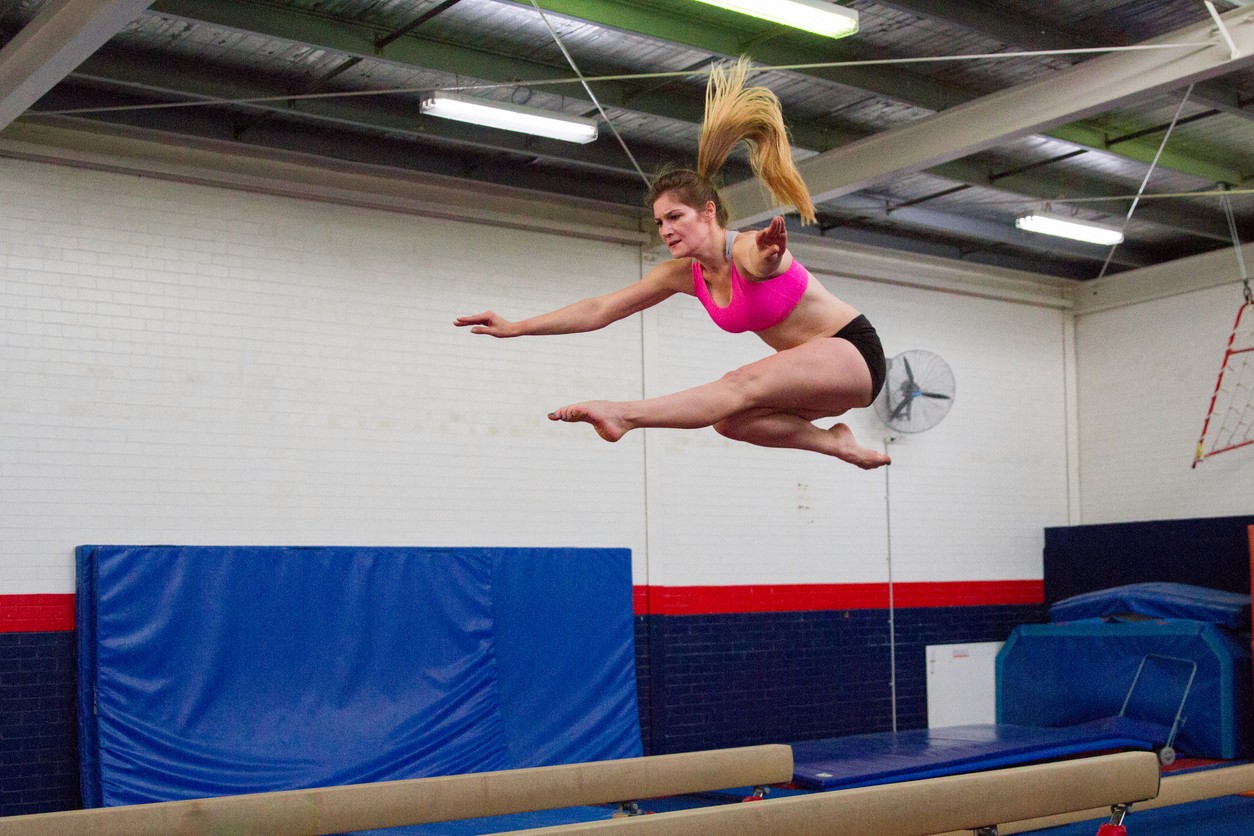
It's Tuesday, 5:30pm. Your recreational group is warming up, but there's a space on beam. That gymnast hasn't been in for three weeks, and now the parent has messaged to say they won't be coming back. Sound familiar?
That one lost place is more than an empty spot. It's a full year of fees gone, a gap in class planning, and a dent in the energy of the group. Gymnastics retention is the single biggest factor in whether your club grows steadily or constantly scrambles to replace leavers.
Here's the thing: most gymnasts don't quit overnight. There are warning signs, and with the right tools, you can act on them. Class Manager is free class management software built for activity clubs, helping you track progress, communicate with families, and cut admin so you can focus on keeping gymnasts where they belong.

Why Gymnastics Retention Matters More Than Constant New Sign-Ups
Gymnast retention, as we're sure you know, means keeping your current members enrolled term after term rather than relying on a revolving door of taster sessions and new starters. Every club owner knows the pattern: a big September intake, energy fading by November, and a noticeable drop after Easter when the weather improves and families try other activities.
A good retention rate means predictable income, better staff planning and a stronger pathway from preschool classes through to recreational and squad groups. Consider this: keeping just five extra gymnasts for a full three-term year at typical UK monthly fees adds meaningful revenue, enough to fund new equipment or an extra coaching session. For more on organising a growing gymnastics club, structure matters as much as sign-ups.
Class management software helps to take the admin time out of running your studio, including class scheduling and billing processes, which means families who intend to re-enrol don't fall through the cracks. With Class Manager, automated billing and easy season cloning roll gymnasts into the next term in just a few clicks.
How to Measure Gymnastics Retention in Your Club
Tracking retention data helps clubs identify and address dropout issues effectively. You don't need complicated analytics. Start by measuring how many gymnasts stay from one term to the next in each programme: preschool, recreational, squad.
Pick a specific comparison period, for example Autumn 2025 to Spring 2026, and repeat it each term. Watch the trends rather than chasing a "perfect" target. The average number will vary by age group and class type, and that's fine. What matters is whether you're improving or sliding.
Retention rates in gymnastics are influenced by personal, social, performance, and club experience factors, so look beyond the raw numbers. Communication practices that include regular athlete and parent feedback enhance retention because they surface the reasons behind the data. Consider running short exit interviews or feedback forms with families who leave to find out what you could do differently.
Core metrics to track:
Term-to-term retention rate by class and age group.
Average length of stay (in terms or years).
New joiners versus leavers by class each term.
Attendance patterns in the weeks before a gymnast quits.
Class Manager's Student and Finance Reports can be run at the end of each term to see who has dropped, which classes lose the most gymnasts, what fee income was lost, and how your customers are behaving across your business. Use the Attendance Overview to check if leavers had a run of absences beforehand, helping you plan early-intervention steps for the next term.
Reason 1: Gymnasts Stop Seeing Progress and Feel Stuck
Around ages seven to ten, recreational gymnasts hit a wall. They've mastered forward rolls and basic cartwheels, butother skills can take longer to develop. Research into competitive artistic gymnastics found that "not reaching the level they wanted" was one of the top reasons gymnasts dropped out. UK data also shows girls' confidence in sport begins to dip around this age.
Engagement improves when athletes have clear progression pathways and visible skill development. Gymnasts are more likely to stay when they feel they are improving and having fun. Without that sense of movement forward, they compare themselves to friends moving up a level and quietly lose heart. Involving athletes in goal-setting can increase their commitment, because they own the target rather than just being told what comes next. Celebrating progress and personal milestones fosters a sense of value beyond competition.
Here are a few practical fixes:
Run regular skill checks each half-term, not just at assessment week.
Use visible progress boards or badge systems so gymnasts can see what they've achieved.
Set small milestone awards for effort, not just ability.
Hold termly "progress chats" where coaches talk through each gymnast's development with them directly.
Personalised plans increase a gymnast's commitment because the work feels relevant to them. Software can track student progress and attendance efficiently, removing guesswork. With Class Manager's grading and skill tracking, a coach can tick off "cartwheel on beam with light support" during class, and the badge automatically shows in the Family Portal. That gives gymnasts and parents a clear, recorded picture of forward movement, and helps coaches plan sessions around the right things for each person rather than repeating the same drills for everyone.
Reason 2: Parents Feel Out of the Loop
Clear communication with parents improves retention by helping them understand the training value. Communication practices that include regular parent feedback enhance retention further. Quick progress summaries and honest updates on confidence, focus or behaviour can completely change how a parent feels about the club.
Customer parent portals allow parents to manage schedules and payments in one place. With Class Manager's Family Portal, a parent opens their phone and sees their child's timetable, attendance record, recent skills signed off and next fee date, all from any device with internet access. Mobile apps provide 24/7 access to club information, so parents aren't left guessing between sessions.
Branded emails keep members updated with club news, and using Spotlight, you can share photos from an in-house competition or badge night. Parents scroll through it like a private social feed, seeing their child's hard work celebrated.
Reason 3: The Gymnast Does Not Feel Part of the Club Community
A gymnast who only attends once a week can easily feel like a visitor rather than a member. Think about the shy six-year-old who comes for two terms but never learns classmates' names and never hears their own progress mentioned out loud. Strong community and social bonds significantly improve athlete retention in gymnastics. Social dynamics and belonging are vital, especially for younger children who need to feel they matter.
Creating a welcoming and inclusive environment reduces intimidation and builds trust. High-retention environments that prioritise mental safety build resilient individuals with strong goal-setting skills. Simple community builders go a long way: birthday shout-outs, termly theme weeks, in-house showcases, club T-shirts and public recognition of small wins. Celebrating member milestones boosts motivation and keeps gymnasts connected to something bigger than their Wednesday session.
Class Manager's Spotlight feed lets you post weekly "Win Wednesday" updates with photos from training, new skill celebrations and reminders about upcoming events. It keeps members coming back to the app and feeling part of the club even on days they don't train. Coaches can also add short Notes on each gymnast (for example, "loves stickers, nervous on beam") so all staff interact consistently and remember the details that make a child feel known by every person on the team.

Reason 4: Attendance Drops and Nobody Notices Until They Have Gone
Tracking attendance helps identify student engagement levels early. Attendance data can reveal trends in student retention before a family formally leaves. Automated attendance registers save time for gymnastics clubs, and real-time attendance tracking enhances class management efficiency. Automated attendance tracking reduces administrative workload significantly, freeing you to act on the data rather than just collect it. Attendance tracking can also improve student performance monitoring by showing which gymnasts are practising consistently and which are falling behind.
Here's a simple process to follow:
Check attendance weekly, not just at term end.
Set a trigger: after two missed sessions, that gymnast gets a follow-up.
Send a friendly message offering a make up class or a quick chat.
Log the outcome so the next person at the front desk knows what happened.
With Class Manager, a coach takes attendance on a tablet during class. The Attendance Overview then highlights gymnasts whose attendance is dropping. Admin can use Chats to send a friendly "missed you" template, and text messaging features enable targeted communication with specific members. AI Suggested Replies help answer common questions quickly when parents respond. All contact and notes stay attached to the student profile, so if the family arrives at reception the next week, your team already knows what was discussed.
Reason 5: Admin Friction Makes Families Drift Away
Manual bank transfers, paper forms and unclear term dates give busy families every reason to "sort it later," and later often means never. Automated billing simplifies tuition management for gymnastics clubs, yet many clubs still rely on processes that create unnecessary friction.
Common friction points include:
An awkward sign-up process that requires printing, scanning or posting forms.
Chasing overdue fees with manual messages or phone calls.
Confusing discount rules for siblings or multi-class bookings.
No reminder when a new term is about to start or when a payment method has expired.
Automated communications enhance engagement with parents and students by keeping them informed without you putting in extra hours. With Class Manager, automated billing and recurring payments keep fees on track at no extra charge. It allows parents to access schedules and make payments online, and simple online registration through the Family Portal reduces confusion about term dates and spaces.
Reason 6: Poor Communication Around Safety, Injuries and Medical Information
Parents worry about falls, pre-existing conditions and whether coaches actually know their child's medical information. That worry is completely reasonable. Injury risk and physical burnout heavily erode retention in gymnastics, and if parents don't feel confident that their child is safe, trust breaks down fast.
With Class Manager, staff can store key information on each gymnast, including medical information, allergy details and injury history. Every coach can see it from their phone or tablet before class starts, giving them total control over safety without relying on memory. After a minor injury, logging a Note and sending a quick Chat message to parents with reassurance (and what will be adjusted next session) turns a worry into a sign of professional care.
Using Class Management Software to Keep Gymnasts Longer
Many retention problems share the same root: scattered information, slow communications and manual admin that eats your evenings. A dedicated class manager designed for activity clubs brings scheduling, skills, communication, attendance, medical details and billing into a single system. Automated billing keeps their place reserved. That gymnast comes back the following week.
For a deeper look at the tools available, our guide to the best gymnastics software in 2026 covers how to streamline your club without drowning in admin. The goal is simple: smoother systems free you from late-night spreadsheets so you can spend that time coaching your coaches, refining your schedule and talking to the families who keep your club alive.
Practical Retention Checklist for Gymnastics Clubs
Use this checklist to review where your club stands on retention each term:
✅ Run skill checks and update progress records at least every half-term (use Class Manager's grading and skill tracking).
✅ Send parents a progress update or club news at least once a fortnight (use Spotlight and Chats).
✅ Create at least one community touchpoint per term: showcase, theme week, badge ceremony or social event.
✅ Follow up after two missed sessions with a personal message offering support or a make-up class (use Attendance Overview and Chats).
✅ Automate billing so no family drifts away over a failed payment (use automated billing and recurring payments).
✅ Run a term-end retention report and discuss it with your senior coaches (use Student Reports and Finance Reports).
Effective ways to retain gymnasts come down to doing the right things consistently, not occasionally. It's hard work, but it compounds.
Conclusion: Make Gymnastics Retention Part of How Your Club Runs
Gymnastics retention isn't a one-off project. It's a set of habits woven into how your gym operates every term, and it's what drives long-term stability, word-of-mouth growth and real customer satisfaction. Class Manager helps you develop those habits with clear progress tracking, better parent communication, faster admin, attendance insights and stored notes and medical information, all in one place on your website and app.
Ready to save time on admin and start keeping more gymnasts? Book a free demo of Class Manager. There's no monthly subscription, so you can start improving retention across your club without adding another fixed cost.
OR create your free account here. To find out more about Class Manager’s gymnastics studio software in our range of articles here;
How to Encourage September Enrolments for Your Class-Based Business
Football Registration Software: How to Streamline Signups, Payments, and Data for Your Club
7 Payment Friction Points Killing Class Studio Revenue (And How To Fix Them Fast)
Why Class Manager Is The Best Class Management Software For New Class-based Businesses?
Why Class Manager Is the Best Option for Your Management Software?
Automated Emails for Trials, Enrolments & More: Let Class Manager Do the Chasing
Reporting Software for Dance Studios: How to Turn Class Manager Data into Smart Decisions
The Benefits Of Utilising Automated Trial Emails for Studio Owners
The Benefits of Skill Tracking Inside Your Studio Management Software
Prepare Your Class-Based Business for a Successful Start in September

